---
title: Building the Power Blueprint for Tomorrow's AI Factories
description: Explore how AI is transforming data center design and power infrastructure, emphasizing the need for modular solutions to support scalable AI factories.
image: https://blog.fluenceenergy.com/hubfs/AdobeStock_267083854.jpeg
---
[Fluence Energy Home ](https://fluenceenergy.com/)
Menu
Close
- [Energy Storage](https://fluenceenergy.com/energy-storage-technology/)
- [Smartstack](https://fluenceenergy.com/smartstack-energy-storage/)
- [Gridstack Pro](https://fluenceenergy.com/gridstack-pro-energy-storage/)
- [Gridstack](https://fluenceenergy.com/gridstack-grid-energy-storage/)
- [Services](https://fluenceenergy.com/energy-storage-services/)
- [Nispera APM](https://fluenceenergy.com/nispera-energy-asset-performance-management-software/)
- [Mosaic Bidding](https://fluenceenergy.com/mosaic-intelligent-bidding-software/)
- [Sustainability](https://fluenceenergy.com/sustainability/)
- [About](https://fluenceenergy.com/about/)
- [Our Story](https://fluenceenergy.com/about/our-story/)
- [Leadership](https://fluenceenergy.com/about/leadership/)
- [Safety](https://fluenceenergy.com/committed-to-safety/)
- [Fluence in Taiwan (繁體中文)](https://fluenceenergy.com/taiwan/)
- [Fluence in Japan (日本)](https://fluenceenergy.com/japan/nispera-energy-asset-performance-management-software/)
- [Contact](https://fluenceenergy.com/contact/)
- [Investors](https://ir.fluenceenergy.com/)
- [Media Room](https://fluenceenergy.com/about/media-room/)
- [Blog](https://blog.fluenceenergy.com/)
- [Resources](https://fluenceenergy.com/renewable-energy-storage-knowledge-resources/)
- [Careers](https://fluenceenergy.com/energy-storage-careers/)
- Login
- [Mosaic for CAISO](https://markets-caiso.amsarmada.com/caiso/login)
- [Mosaic for the NEM](https://markets.amsarmada.com/markets/login)
- [Mosaic for ERCOT](https://markets-ercot.amsarmada.com/ercot/login)
- [Investors](https://ir.fluenceenergy.com/)
- [Media Room](https://fluenceenergy.com/about/media-room/)
- [Blog](https://blog.fluenceenergy.com/)
- [Resources](https://fluenceenergy.com/renewable-energy-storage-knowledge-resources/)
- [Careers](https://fluenceenergy.com/energy-storage-careers/)
- Login
- [Mosaic for CAISO](https://markets-caiso.amsarmada.com/caiso/login)
- [Mosaic for the NEM](https://markets.amsarmada.com/markets/login)
- [Mosaic for ERCOT](https://markets-ercot.amsarmada.com/ercot/login)
[Fluence Energy Home ](https://fluenceenergy.com/)
- [Energy Storage](https://fluenceenergy.com/energy-storage-technology/)
- [Smartstack](https://fluenceenergy.com/smartstack-energy-storage/)
- [Gridstack Pro](https://fluenceenergy.com/gridstack-pro-energy-storage/)
- [Gridstack](https://fluenceenergy.com/gridstack-grid-energy-storage/)
- [Services](https://fluenceenergy.com/energy-storage-services/)
- [Nispera APM](https://fluenceenergy.com/nispera-energy-asset-performance-management-software/)
- [Mosaic Bidding](https://fluenceenergy.com/mosaic-intelligent-bidding-software/)
- [Sustainability](https://fluenceenergy.com/sustainability/)
- [About](https://fluenceenergy.com/about/)
- [Our Story](https://fluenceenergy.com/about/our-story/)
- [Leadership](https://fluenceenergy.com/about/leadership/)
- [Safety](https://fluenceenergy.com/committed-to-safety/)
- [Fluence in Taiwan (繁體中文)](https://fluenceenergy.com/taiwan/)
- [Fluence in Japan (日本)](https://fluenceenergy.com/japan/nispera-energy-asset-performance-management-software/)
- [Contact](https://fluenceenergy.com/contact/)
About
Fluence is enabling the global clean energy transition with market-leading energy storage products and services, and digital applications for renewables and storage.
[Learn More](https://fluenceenergy.com/about/)
#### Get to know us
- [Our Story](https://fluenceenergy.com/about/our-story/)
- [Leadership](https://fluenceenergy.com/about/leadership/)
- [Safety](https://fluenceenergy.com/committed-to-safety/)
- [Fluence in Taiwan (繁體中文)](https://fluenceenergy.com/taiwan/)
- [Fluence in Japan (日本)](https://fluenceenergy.com/japan/)
#### Connect With Us
- [Follow us on LinkedIn ](https://www.linkedin.com/company/fluenceenergy)
- [Follow us on Facebook ](https://www.facebook.com/fluenceenergy/)
- [Follow us on Twitter ](https://twitter.com/fluenceenergy)

### Nispera is now part of Fluence.
[Read more](https://blog.fluenceenergy.com/how-ai-and-machine-learning-are-driving-value-in-a-clean-energy-future)
## Products
Fluence offers an integrated ecosystem of products, services, and digital applications across a range of energy storage and renewable use cases.
#### Energy Storage
- [Gridstack](https://fluenceenergy.com/gridstack-grid-energy-storage/)
- [Ultrastack](https://fluenceenergy.com/ultrastack-transmission-energy-storage/)
- [Sunstack](https://fluenceenergy.com/sunstack-solar-energy-storage-system/)
- [Edgestack](https://fluenceenergy.com/edgestack-commercial-energy-storage/)
#### Software
- [Mosaic](https://fluenceenergy.com/mosaic-intelligent-bidding-software/)
- [Nispera](https://fluenceenergy.com/nispera-energy-asset-management-software/)
- [](https://fluenceenergy.com/gridstack-grid-energy-storage/)
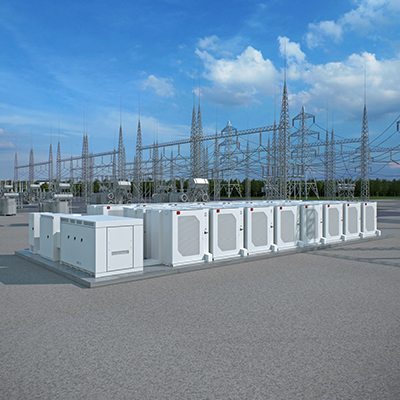
[Energy Storage Systems](https://fluenceenergy.com/gridstack-grid-energy-storage/)
- [](https://fluenceenergy.com/mosaic-intelligent-bidding-software/)
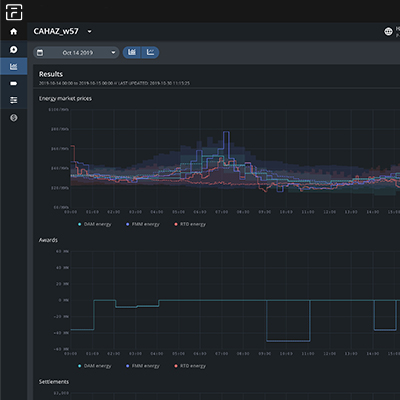
[Mosaic Intelligent Bidding Software](https://fluenceenergy.com/mosaic-intelligent-bidding-software/)
- [](https://fluenceenergy.com/nispera-energy-asset-management-software/)
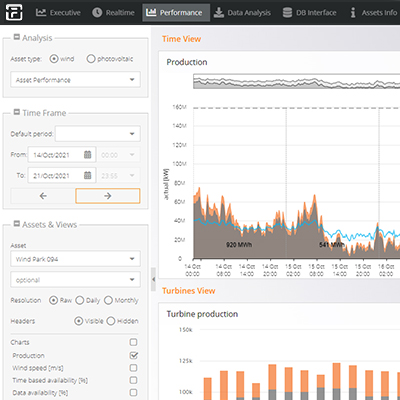
[Nispera Asset Performance Management Software](https://fluenceenergy.com/nispera-energy-asset-management-software/)
Our Technology
Our standardized Technology Stack makes it easier for you to rapidly and cost effectively deploy energy storage, and optimize storage and renewable assets.
[Learn More](https://fluenceenergy.com/energy-storage-technology/)
- [](https://fluenceenergy.com/modular-energy-storage/)
[Fluence Cube](https://fluenceenergy.com/modular-energy-storage/)
- [](https://fluenceenergy.com/fluence-os-operating-system/)
[Fluence OS](https://fluenceenergy.com/fluence-os-operating-system/)
- [](https://fluenceenergy.com/fluence-iq-digital-platform/)
[Fluence IQ](https://fluenceenergy.com/fluence-iq-digital-platform/)
Products
#### Energy Storage
- [](https://fluenceenergy.com/energy-storage-technology/gridstack-grid-energy-storage/)
[Gridstack](https://fluenceenergy.com/energy-storage-technology/gridstack-grid-energy-storage/)
#### Fluence IQ Platform
- [](https://fluenceenergy.com/energy-bidding-software/)
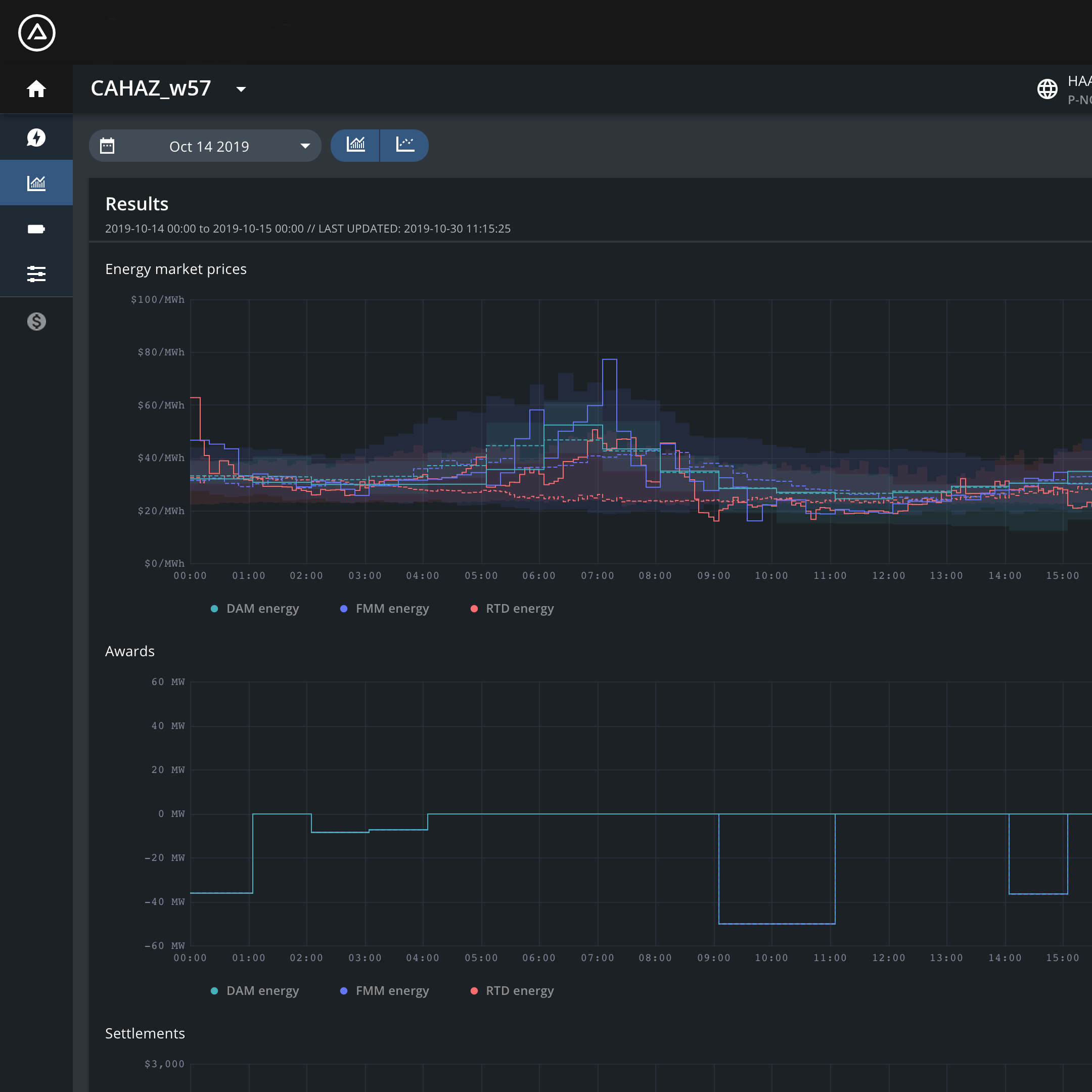
[Bidding Application](https://fluenceenergy.com/energy-bidding-software/)
Applications
Energy storage provides the agility and efficiency to keep pace with an evolving energy landscape.
[Learn More](https://fluenceenergy.com/applications/)
- [](https://fluenceenergy.com/applications/energy-storage-for-flexible-reliable-networks/)
[Transform Your Network](https://fluenceenergy.com/applications/energy-storage-for-flexible-reliable-networks/)
- [](https://fluenceenergy.com/applications/energy-storage-for-generation/)
[Transform Your Generation](https://fluenceenergy.com/applications/energy-storage-for-generation/)
- [](https://fluenceenergy.com/applications/energy-storage-for-energy-users/)
[Transform Your Energy Use](https://fluenceenergy.com/applications/energy-storage-for-energy-users/)
Energy Storage
Unlock the full potential of your network with energy storage.
[Learn More](https://fluenceenergy.com/energy-storage-technology/)
- [](https://fluenceenergy.com/smartstack-energy-storage/)
[Smartstack](https://fluenceenergy.com/smartstack-energy-storage/)
- [](https://fluenceenergy.com/gridstack-pro-energy-storage/)
[Gridstack Pro](https://fluenceenergy.com/gridstack-pro-energy-storage/)
- [](https://fluenceenergy.com/gridstack-grid-energy-storage/)
[Gridstack](https://fluenceenergy.com/gridstack-grid-energy-storage/)
#### June 3, 2026
# Building the Power Blueprint for Tomorrow's AI Factories
#### By TJ Winter, Vice President, Emerging Segments & Intelligence, and Kyle Houser, Vice President, Channel Sales & Partnerships
AI is driving a fundamental shift in how data centers are designed, built, and powered. As AI workloads scale, data centers are evolving into AI factories built to optimize token generation per watt. In this new era, strategies for power, resilience, and speed to deployment defines an AI factory’s success, making bespoke infrastructure designs increasingly difficult to sustain. AI factory owners and operators are looking for repeatable, modular approaches for both compute and power infrastructure that can be deployed across sites and regions with confidence.
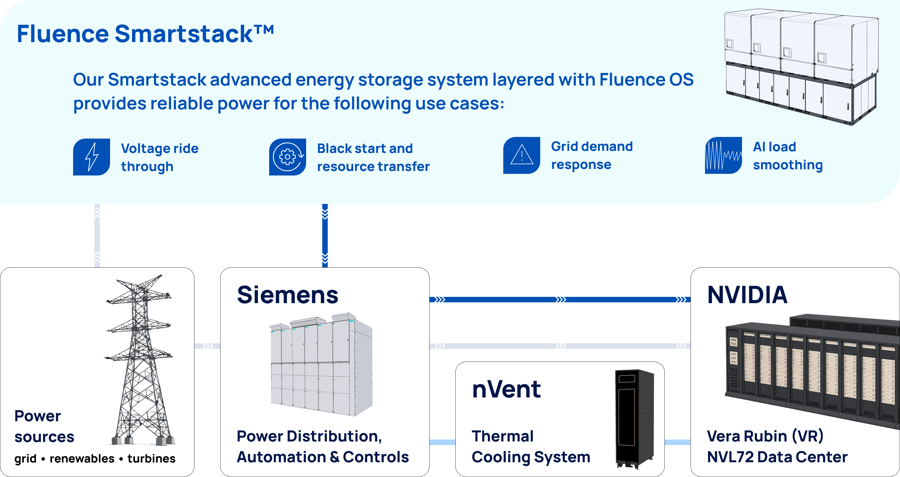
That context frames the [recent announcement from Siemens for a UL-compliant NVIDIA DSX-aligned electrical reference design](https://press.siemens.com/global/en/pressrelease/siemens-and-partners-develop-reference-architecture-purpose-built-nvidia-ai-data), developed in collaboration with Fluence and designed to support [NVIDIA Vera Rubin NVL72](https://www.nvidia.com/en-us/data-center/vera-rubin-nvl72/) deployments. Together, this work reflects a shared view of how AI factories will be designed and powered in the years ahead.
### Vera Rubin DSX AI Factory Reference Design
## [](https://blog.fluenceenergy.com/hs/cta/wi/redirect?encryptedPayload=AVxigLKtZRWiCcX%2FxBr79%2BSutELOA%2Bz2n9XHdsXT3tzC5%2Bb5jzeVwssBaw9i1wraWAB0fnMD1pxCOHNfpbu4LbFXVqsq4F1klxqkRIaB%2FfufIck05053MGeejC92L06QBpSW2vwFNqBpmZxP51JH6U6fwAFvCuCRrNbOnGPHjDQelWadOzKQvJQ8YvBNvvF6LsR8xkkwvkpCg%2F8EgRCWxL9BYlR9MHWSsFFlW3olSWLAsvm92FuMsgPwcC2RlHgHI3LvyceQh%2FQfiREChx%2FvVnrZBoCDpPt52tm7ZnUT4fTho1N3avdzAoEbRFJF&webInteractiveContentId=218250703105&portalId=2810531)
## Hyperscale Requires Repeatability
As AI facilities grow in size and complexity, AI data center developers, owners, and operators are seeking infrastructure models that reduce design friction and execution risk. They are increasingly favoring standardized, modular, and interoperable infrastructure models, analogous to platform architectures in software. Power infrastructure has become a gating factor as facilities scale from tens to hundreds of megawatts and beyond.
NVIDIA DSX reference architecture establishes a common foundation for AI factory design, defining how next‑generation compute systems are configured, powered, and operated - and optimizing for tokens per watt. Building on that foundation, Siemens and Fluence are contributing an integrated electrical blueprint focused on the power infrastructure required to support AI factories at scale, from grid connection through on-site power. The goal is to accelerate deployment, improve predictability, and support consistent performance across a growing global footprint.
## A Power Stack Designed for AI
AI factories introduce electrical load profiles that are fundamentally different from traditional data center environments: highly variable demand, tight power‑quality tolerances, and little room for disruption. At scale, those dynamics create significant and complex power requirements, which can drive interconnection delays and build risks. The blueprint designed with Siemens approaches power infrastructure as a coordinated system with compute, designed together from Day 0.
Within the blueprint, battery energy storage is a foundational element, enabling a value stack of multiple, interrelated functions across normal operations and grid events. [Fluence OS’s advanced load smoothing controls](https://fluenceenergy.com/energy-storage-services/), validated through detailed simulation and hardware-in-the-loop testing, are designed to help stabilize variable AI demand at the point of interconnection, so facilities can operate within utility limits without curtailing compute. The blueprint also leans on Fluence energy storage systems to stabilize voltage and frequency during grid disturbances, support voltage ride through, and provide black start capabilities during outages. Combined, these capabilities allow AI factories to behave as more predictable, grid compatible loads, reducing risk at interconnection while supporting reliable, high-density operation at scale.
The predictability is crucial because powering AI also requires sites that can handle massive loads, meaning site selection may be restricted by grid interconnection and site sizing constraints. During normal operations, the flexible capacity of the Fluence system allows the facility to moderate its power draw at point of interconnection. This enables the data center to provide grid demand response and reduce its effective grid capacity requirements without affecting compute loads. By enabling firm, flexible response, energy storage helps sites meet utility requirements without overbuilding upstream infrastructure, significantly increasing speed-to-power in constrained markets. Some US ISOs are even recognizing this value explicitly. For example, [SPP’s High Impact Large Loads framework](https://www.spp.org/markets-operations/high-impact-large-load-hill-integration/) provides favorable connection pathways for large-load sites that connect with controllable, load-matched, stabilizing generation like battery energy storage.
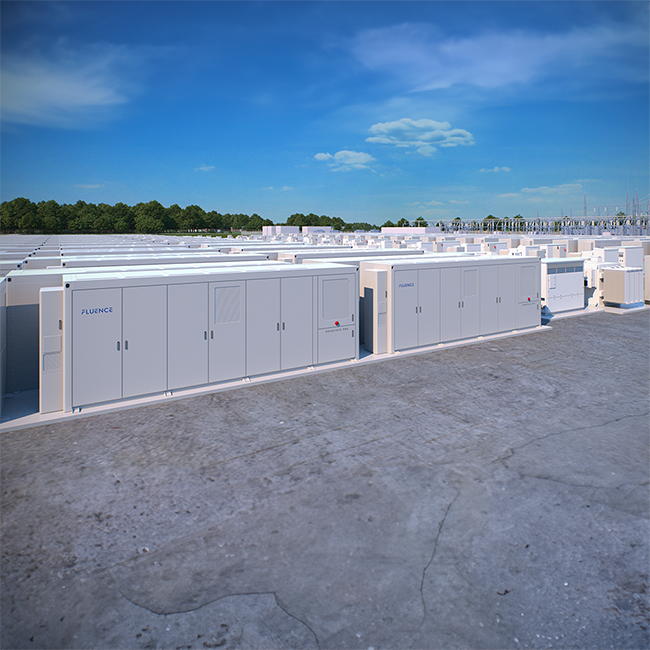
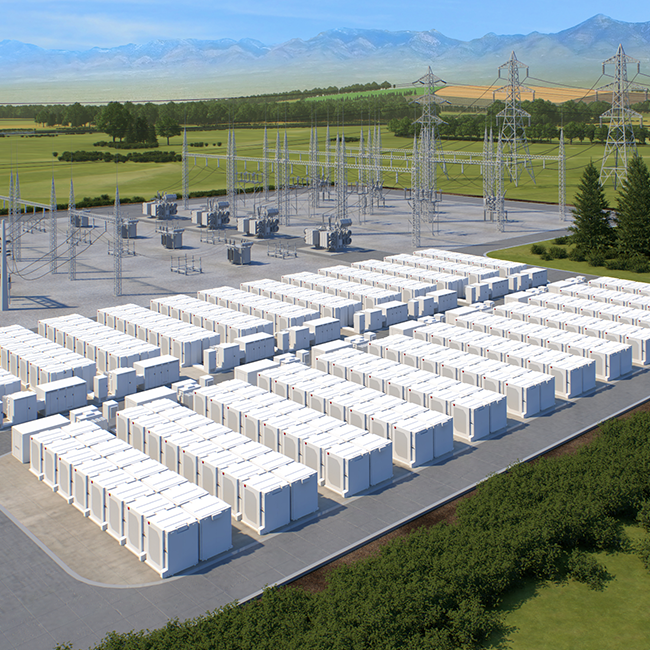
At the site level, high‑density energy storage configurations help operators make more effective use of constrained footprints, expanding where and how AI factories can be deployed. Within the blueprint, Fluence’s [Smartstack platform](https://fluenceenergy.com/smartstack-energy-storage/)supports high-density deployment of energy storage alongside other critical power infrastructures. As AI factories push toward higher power capacity, greater energy storage site density supports faster, more repeatable deployment aligned with the direction of next‑generation compute architectures.
.jpg?width=800&height=541&name=Smtstk-111625-192%20(1).jpg)
## Power Infrastructure for Today and the Future
At Fluence, we recognize the AI factory of the future needs power infrastructure that can scale quickly, improve power quality, and adapt to different sites and grid conditions without being designed from scratch. Power infrastructure that cannot keep pace on all three dimensions becomes a constraint. This blueprint represents a tangible way that challenge can be met: by designing power infrastructure as a core part of the AI factory platform, aligned to advanced compute architecture and built for global, repeatable deployment.
As AI continues to accelerate, infrastructure decisions made today will shape what is possible tomorrow. Fluence’s focus is on helping customers build power systems that are ready for both.
### Contact the experts at Fluence to learn more!
[](https://blog.fluenceenergy.com/hs/cta/wi/redirect?encryptedPayload=AVxigLKGNzmWemwDHgBHByU9Y5i5WgIvoWLJOTXDbZQPL5YgcXSAtlF5WhdtM%2BwoC6PqhwteasBbMrJThe%2BsruPE3%2Blw7kPpvYWDfYAEOzerTWb7IQF0Hk9QiP17hhpXqiJxJ3rqV%2FerNTXXRjkRTQD0joBi%2BL664MdmAZBxuvOhffHZGaZZkn7Fwr%2F3DSpANtQa3egEGPrEOxndeABaT5IhH%2FjwuwyIxqYiY1vPYYBi8RmlRz8f9B3dnl0%2Bjt8%3D&webInteractiveContentId=213835778992&portalId=2810531)
##### Share
-
-
-

TJ Winter is a Vice President, Emerging Segments & Intelligence at Fluence. Kyle Houser is a Vice President, Channel Sales & Partnerships at Fluence.
### Get the latest news
## Related Posts
#### [Industry Trends May 26, 2026 Beating the Benchmark: Evolving Energy Storage Bidding in the US](https://blog.fluenceenergy.com/beating-bidding-benchmark-evolving-energy-storage)
#### [Industry Trends April 7, 2026 More Power, Less Waiting: Why Storage is the Secret to AI Scalability](https://blog.fluenceenergy.com/more-power-less-waiting-why-storage-the-secret-ai-scalability)
## Most Popular
#### [Industry Trends April 7, 2026 More Power, Less Waiting: Why Storage is the Secret to AI Scalability](https://blog.fluenceenergy.com/more-power-less-waiting-why-storage-the-secret-ai-scalability)
#### [Industry Trends June 3, 2026 Building the Power Blueprint for Tomorrow's AI Factories](https://blog.fluenceenergy.com/building-the-power-blueprint-for-tomorrows-ai-factories)
#### [Industry Trends September 18, 2025 Beyond 20 Years: Maximizing Battery Storage Lifespan and Value](https://blog.fluenceenergy.com/maximizing-battery-storage-lifespan-value)
### Connect
- [LinkedIn](https://www.linkedin.com/company/fluenceenergy)
- [Twitter](https://www.facebook.com/fluenceenergy/)
- [YouTube](https://twitter.com/fluenceenergy)
Copyright © 2026 Fluence. All rights reserved.
- [Website Privacy Policy](https://fluenceenergy.com/website-privacy-policy/)
- [Electronic Waste Policy](https://fluenceenergy.com/electronic-waste-policy/)
- [Forward-Looking Statements](https://fluenceenergy.com/about/forward-looking-statements/)
- [UK Tax Strategy](https://blog.fluenceenergy.com/hubfs/2023%20Fluence%20UK%20Tax%20Strategy_final.pdf)
Any transfer of personal data processed by Fluence entities established in the European Economic Area (including the member states of the European Union, Iceland, Norway, Switzerland, and Liechtenstein) to areas outside of this area is based on Binding Corporate Rules and EU Standard Contractual Clauses.
Website by
```json
{
"@context" : "https://schema.org",
"@type" : "BlogPosting",
"author" : {
"@type" : "Person",
"name" : "TJ Winter, Vice President, Emerging Segments & Intelligence, and Kyle Houser, Vice President, Channel Sales & Partnerships",
"url" : "https://blog.fluenceenergy.com/author/tj-winter-vice-president-emerging-segments-intelligence-and-kyle-houser-vice-president-channel-sales-partnerships"
},
"dateModified" : "2026-07-29T11:12:55.809Z",
"datePublished" : "2026-06-03T15:22:30.000Z",
"headline" : "Building the Power Blueprint for Tomorrow's AI Factories",
"image" : [ "https://blog.fluenceenergy.com/hubfs/AdobeStock_267083854.jpeg" ],
"mainEntityOfPage" : {
"@id" : "https://blog.fluenceenergy.com/building-the-power-blueprint-for-tomorrows-ai-factories",
"@type" : "WebPage"
},
"publisher" : {
"@type" : "Organization",
"logo" : {
"@type" : "ImageObject",
"url" : "//blog.fluenceenergy.com/hubfs/Fluence_logo_with_copyline_WEB.png"
},
"name" : "Fluence"
}
}
```